
 Steel and Cement Industries
 Textile Industries
 Process Industries
 Automobile
 Railway / Metro
 Solar Farms
 Power Factor Improvement
 KVAH Billing Reduction
 Captive Power PF Improvement
 Harmonics Mitigation
 Drives Harmonic Mitigation
 Unbalance Compensation
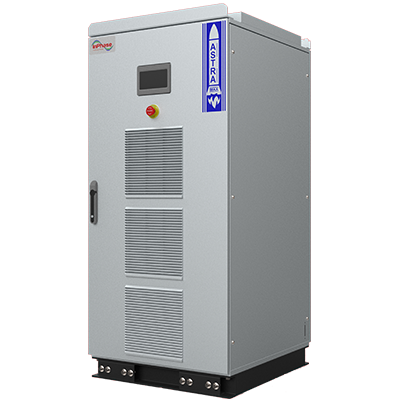 Active Harmonic Filter
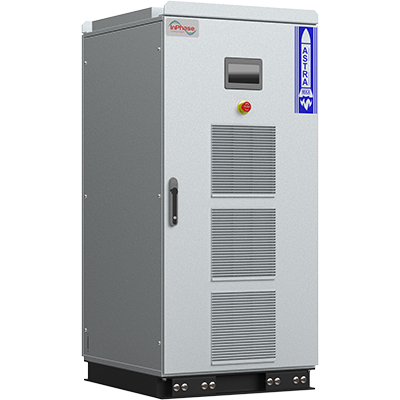 Static VAR Generator
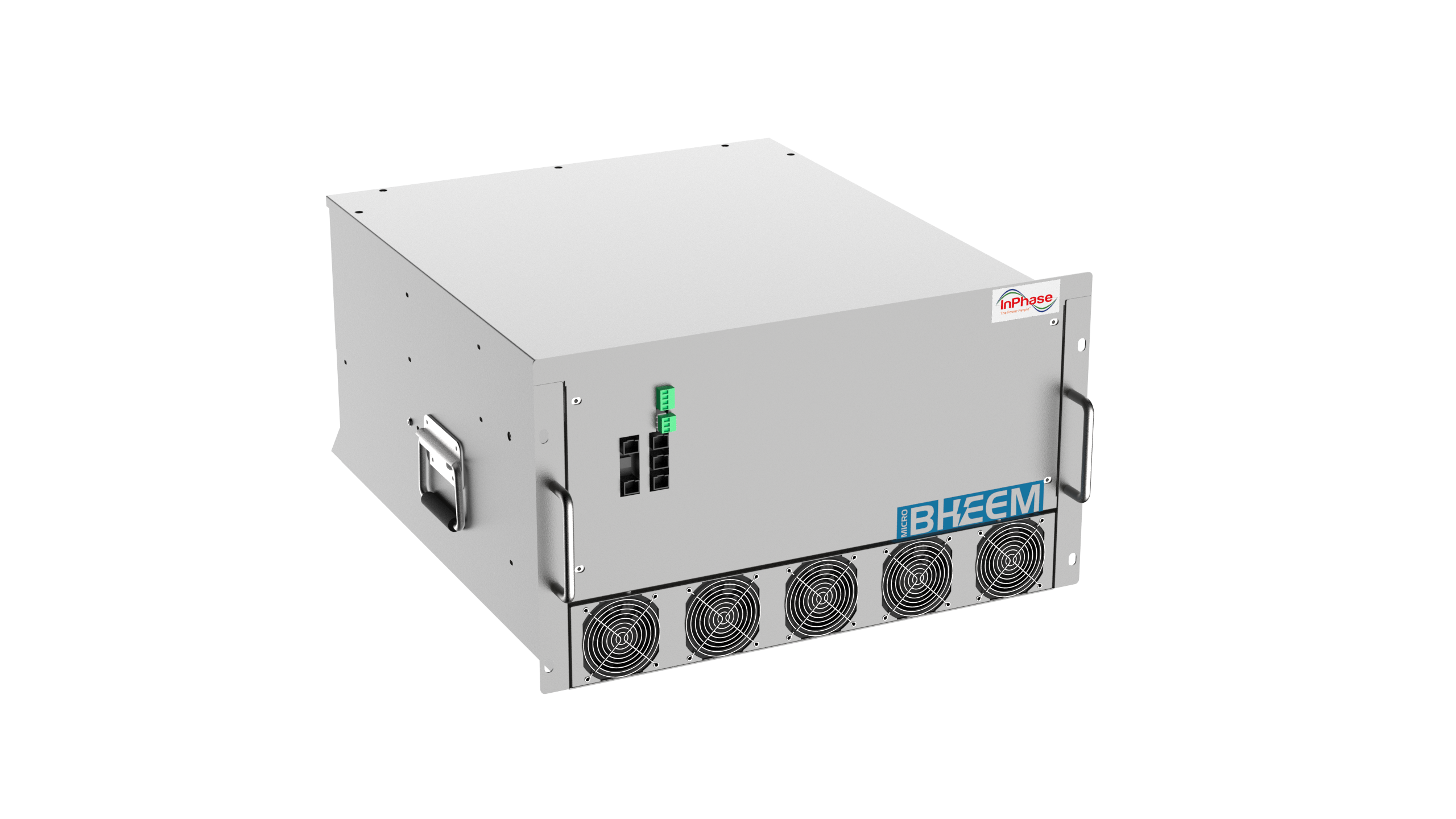 Modular AHF
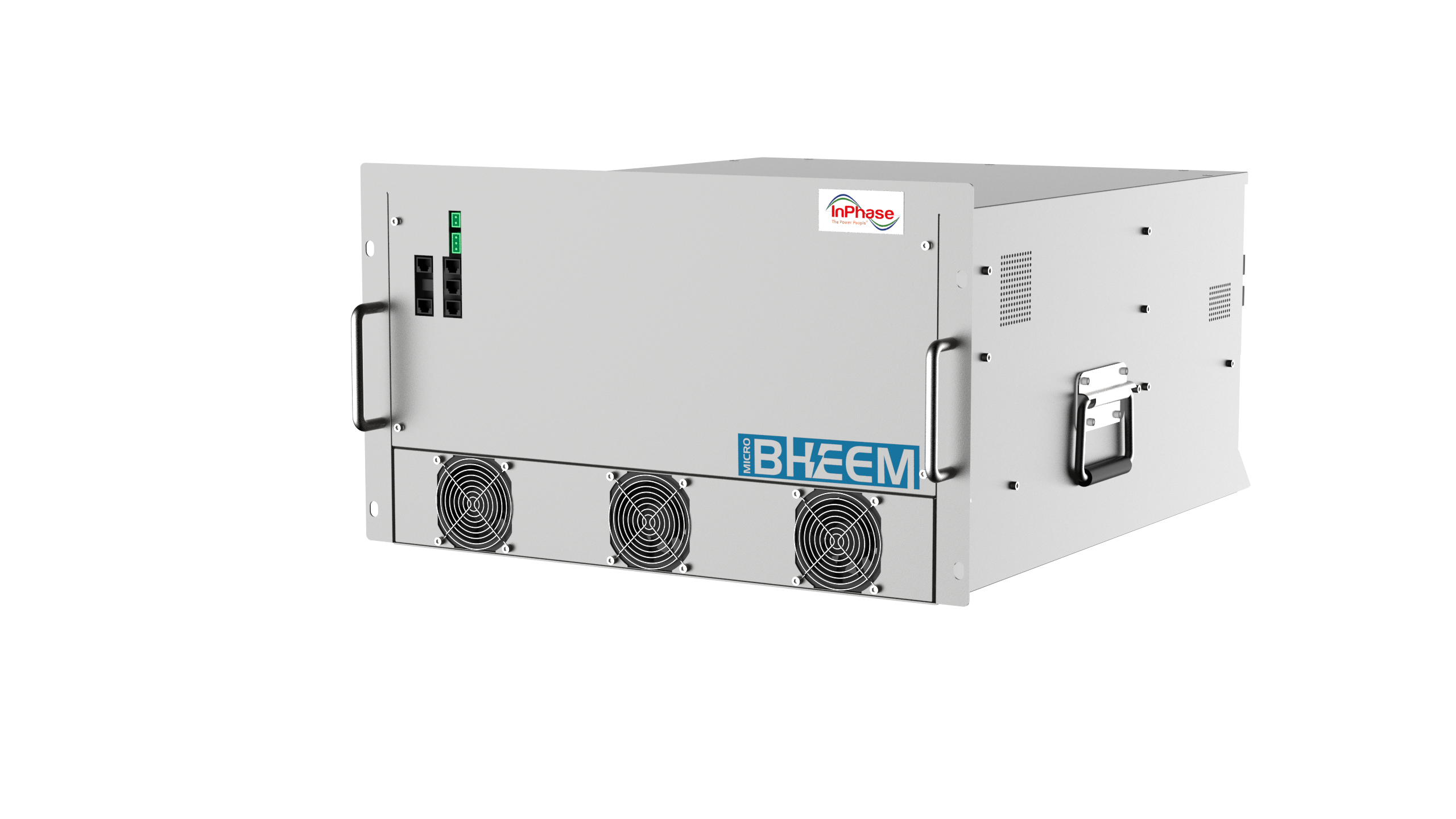 Modular SVG
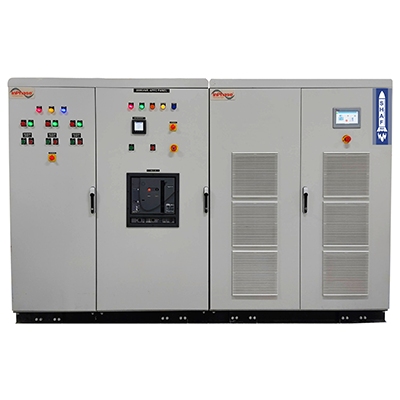 Smart Hybrid Active Filter
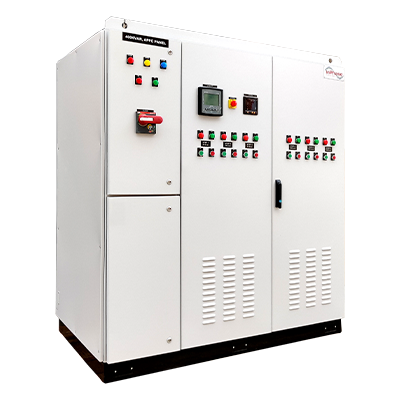 APFC
APFC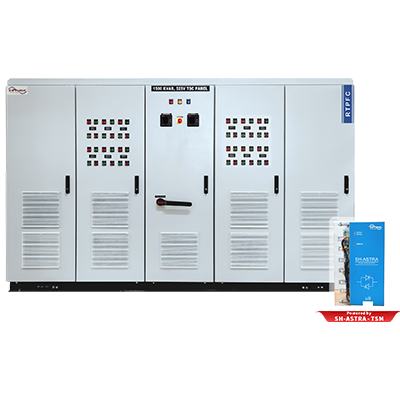 RTPFC
RTPFC Power Quality Study
 Energy Audit
 Harmonics Analysis
 Product Support



Introduction
Modern industrial and commercial electrical systems increasingly use devices with nonlinear characteristics. Even with sinusoidal voltage, nonlinear devices draw distorted currents, causing harmonics. These harmonics lead to:
- Equipment malfunction
- Capacitor and transformer failures
- Increased energy losses
- Reduced system efficiency
Nonlinear loads generating harmonics include:
- LED and CFL lighting
- Switch Mode Power Supplies (SMPS)
- Variable frequency drives (VFDs)
- UPS systems
- Arc furnaces and SCR controllers
- Battery chargers & rectifiers
Impact of Harmonics
a. Grid Side
- Reduced generation and transmission efficiency
- Aging and premature failure of electrical equipment
- Overloading and failure of transformers, capacitors, and neutral conductors
- De-rated T&D capacity in several areas
b. Customer Side
- Overheated transformers, motors, and cables
- Power factor capacitor failures
- Spurious tripping of protective devices
- Increased losses leading to higher energy bills
c. Power Factor
Harmonics reduce the effectiveness of conventional power factor correction. True power factor includes displacement and distortion factors, which can only be improved with harmonic mitigation.
Harmonic Study and Standards
Harmonic Analysis
- A proper power quality audit documents:
- Harmonic current and voltage levels
- THDi (Total Harmonic Distortion of Current)
- TDD (Total Demand Distortion)
Standards
- IEEE Std. 519-1992
- CEA Grid Connectivity Regulations, 2007
Key Parameters:
- PCC (Point of Common Coupling) – utility/customer interface
- Isc/IL Ratio – short-circuit to load current ratio
- TDD – harmonic current relative to max demand load
Active Harmonic Filter: Connection Principles
How it Works:
- Connected in parallel (shunt) to 3-phase systems
- Measures load current via CTs
- Injects compensating currents 180° out of phase with harmonics
- Cancels harmonic currents effectively
Installation Locations:
- Electrical distribution panels
- Transformer secondary
- Individual high-harmonic loads
Applications and Benefits
Power Factor Improvement:
- Reduces reactive power (kVAR) locally
- Improves true power factor
- Reduces THDi, transformer & cable losses
- Enhances system capacity
Additional Benefits:
- Mitigates voltage fluctuations
- Extends equipment life
- Avoids penalties from utility regulations
Case Studies
| Industry | Challenges | Solution | Results |
|---|---|---|---|
| Food Processing | High THDi, component failures, cable heating | 200A AHF at PCC | THDi < 8% |
| IT/ITES | THDi ~24%, low PF, transformer heating | 75A AHF | THDi < 5% |
| Textile | THDi ~12%, capacitor failures, transformer heating | 600A AHF | THDi < 3% |
Figure Suggestions:
- Harmonic percentage before vs after AHF (for each case study)
- Diagram of AHF shunt connection
- Power factor improvement chart
Image Alt Text Examples:
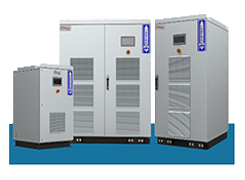
- “Active Harmonic Filter installation at industrial plant”
- “THDi reduction after AHF installation”
- “Power factor improvement using InPhase Active Harmonic Filter”
Conclusion
- Installing an Active Harmonic Filter provides:
- Reduced total harmonic distortion (THDi)
- Improved true power factor
- Reduced transformer & cable losses
- Extended equipment life
- Compliance with IEEE & CEA standards
Call-to-Action:
For expert Active Harmonic Filter solutions, contact InPhase Power Solutions today to enhance industrial power quality and energy efficiency.