
Active Harmonic Filter Benefits are becoming increasingly important for industries looking to improve power quality, reduce harmonic distortion, and increase operational efficiency. As facilities adopt automation, VFDs, robotics, and other nonlinear loads, understanding Active Harmonic Filter Benefits can help reduce energy losses, protect equipment, and improve system reliability.
Key Active Harmonic Filter Benefits for Modern Industries
The most significant Active Harmonic Filter Benefits include reduced harmonic distortion, improved power quality, lower energy losses, enhanced equipment protection, and increased system reliability.
Many industries are investing in Active Harmonic Filter Benefits to reduce maintenance costs and improve operational efficiency. By leveraging Active Harmonic Filter Benefits, facilities can extend equipment life, minimize downtime, and maintain compliance with power quality standards.
As industrial power systems become more complex, Active Harmonic Filter Benefits continue to play a critical role in ensuring stable and efficient operations.
In today’s competitive landscape, industries are not only striving for operational efficiency but also seeking innovative ways to integrate sustainability into their processes. This dual focus on productivity and environmental responsibility is pushing the boundaries of technological advancements.
Companies are now implementing sophisticated energy management systems that not only monitor energy consumption but also help in identifying sources of harmonic distortion, enabling targeted interventions. For instance, a manufacturing plant might utilize real-time data analytics to detect harmonic issues and take corrective measures promptly.
Understanding harmonics is essential for maintaining the longevity and efficiency of industrial equipment. Harmonics can lead to equipment failures, which not only incur repair costs but also cause significant downtime, ultimately affecting productivity.
For example, Variable Frequency Drives (VFDs) are essential in controlling motor speeds and conserving energy, but they can also introduce harmonics into the power system. Identifying the specific harmonic frequencies generated by such devices allows engineers to implement appropriate filtering solutions.
Investing in an active harmonic filter not only enhances equipment lifespan but also supports energy efficiency initiatives.
This is especially crucial in facilities with sensitive electronic equipment, where harmonics can lead to data losses or equipment malfunctions. By investing in harmonic filtration, companies can protect their assets and ensure smooth operations.
The implementation of an active harmonic filter can mitigate these issues by dynamically adjusting to the changing power quality and load conditions within the facility. This active harmonic filter allows plants to maintain optimal performance levels, even as operational demands fluctuate.
In today’s fast-paced industrial landscape, automation plays a pivotal role in enhancing operational efficiency. Many facilities are investing in robotics, IoT devices, and advanced manufacturing techniques to streamline processes. For instance, factories are implementing smart sensors to monitor equipment performance in real-time, which helps identify inefficiencies and reduce waste.
Moreover, understanding the nature of harmonics helps industries comply with regulatory standards, which are becoming increasingly stringent. Non-compliance can result in hefty fines and damage to the company’s reputation.
Industries are also adopting a proactive approach by conducting regular power quality assessments to identify potential issues before they escalate. This foresight allows for timely interventions and minimizes the risk of operational disruptions.
Furthermore, investing in training for staff to understand the implications of harmonic distortion can empower them to make informed decisions. Knowledgeable personnel are crucial to implementing effective strategies for harmonic mitigation.
For example, educating maintenance teams about harmonic performance metrics can lead to more efficient troubleshooting and maintenance schedules, thereby enhancing the overall reliability of the plant.
Neglecting harmonic issues can lead to a cascade of failures that affect not just individual machines but the entire production line. Businesses must adopt a holistic view of their power systems, integrating harmonic analysis into their broader maintenance and operations strategies.
As the industrial landscape evolves, the importance of addressing harmonic distortion will only grow. Companies that prioritize harmonic mitigation today will find themselves better positioned to meet the challenges of tomorrow.
Moreover, harmonic distortion is not just a technical issue; it can have significant financial implications. The cost of downtime due to equipment failures caused by harmonics can be astronomical. For example, a single hour of unplanned downtime in a manufacturing plant can cost tens of thousands of dollars in lost production and labor costs.
Integrating active harmonic filters not only addresses current challenges but also future-proofs the facility against emerging power quality issues. With advancements in technology, the effectiveness of these solutions continues to improve, offering greater reliability and efficiency.
Investing in these technologies can yield significant long-term savings by reducing energy costs and extending the lifespan of equipment. The return on investment from active harmonic filters can be substantial when considering the reduced downtime and maintenance costs.
Moreover, with the increasing integration of renewable energy sources into the power grid, maintaining power quality is more crucial than ever. Active harmonic filters play a vital role in ensuring that these renewable sources can operate efficiently without introducing additional harmonic distortion.
One of the fastest-growing concerns is harmonic distortion. As harmonics increase, they can reduce system efficiency, stress electrical equipment, and impact operational reliability. This growing challenge is driving the global demand for harmonic filter solutions across industries.
Through ongoing advancements and innovations, both passive and active harmonic filters are becoming more sophisticated, allowing industries to tailor solutions to their specific needs.
In addition to reducing harmonic distortion, these filters also contribute to improving the power factor, which can lead to lower utility bills and better overall system performance. This dual benefit is particularly attractive to businesses aiming to enhance both efficiency and cost-effectiveness.
As industries continue to navigate the complexities of modern electrical systems, the role of harmonic filters will remain paramount. They offer a clear pathway toward achieving operational excellence and sustainability.
By partnering with technology providers like InPhase Power, industries can harness the latest innovations in harmonic mitigation, ensuring their operations remain efficient and competitive in a rapidly changing market.
Thus, investing in solutions like active harmonic filters is essential for any industry committed to enhancing its performance and sustainability in today’s energy landscape.
As we look ahead, proactive harmonic management will not only safeguard plant efficiency but also contribute to the broader goal of energy conservation and sustainability in the industrial sector.
Ultimately, the future of industrial operations depends on the ability to adapt to these challenges, and active harmonic filter technologies will play a crucial role in shaping sustainable and efficient industrial practices.
In conclusion, addressing harmonic distortion is not just a technical requirement but a strategic imperative for industries looking to thrive. The implementation of active harmonic filters is a critical step in this journey, facilitating improved efficiency, reduced costs, and enhanced operational reliability.
Another critical aspect to consider is the impact of harmonics on energy costs. Utilities often charge higher rates to industrial customers who exceed certain distortion thresholds. Therefore, addressing harmonic distortion not only improves equipment lifespan but also contributes to more predictable and lower energy bills.
In addition to energy losses, harmonics can lead to increased maintenance costs. Equipment that is subjected to harmonic distortion may require more frequent repairs and replacements. For example, motors and transformers can experience overheating that accelerates wear and tear, further escalating operational expenses.
Implementing harmonic filters is an effective way to address these issues. By reducing harmonic distortion, facilities can see improvements in equipment performance and longevity. Additionally, many companies report enhanced system reliability and customer satisfaction as a result of improved power quality.
The Silent Threat to Industrial Efficiency: Understanding Harmonics
The growing complexity of modern electrical systems means that harmonics can no longer be ignored. Industries must stay ahead of these challenges to maintain competitive advantages. For instance, innovative companies are now employing predictive maintenance strategies that leverage data analytics to foresee potential equipment failures due to harmonic distortion.
Additionally, the integration of renewable energy sources adds another layer of complexity to power quality. As solar panels and wind turbines become more prevalent, the interaction between these sources and traditional electrical systems can generate unexpected harmonics. This underscores the need for robust harmonic mitigation strategies.
Addressing harmonic distortion requires a comprehensive understanding of a facility’s unique power needs. For example, an energy audit can help identify key problem areas, allowing for the implementation of tailored solutions that optimize both performance and cost efficiency.
Modern equipment such as VFDs, UPS systems, and rectifiers generates harmonics that distort power quality and silently impact industrial performance.
Investing in active harmonic filters has become a standard practice in many industries. These advanced solutions actively monitor and adjust to changing power conditions, ensuring that harmonic levels remain within acceptable limits. This proactive approach not only enhances equipment lifespan but also supports overall operational excellence.
Furthermore, educating staff about the implications of harmonics is crucial. Training programs that focus on power quality can empower employees to recognize and address issues before they escalate, fostering a culture of reliability and efficiency within the organization.
Excessive harmonics lead to higher energy losses, equipment overheating, reduced asset life, poor power factor, and unexpected downtime. These issues increase operating costs and reduce overall plant efficiency.
In conclusion, as industries navigate the complexities of modern power systems, the importance of addressing harmonic distortion cannot be overstated. From increased operational costs to potential equipment failures, the stakes are high. By investing in effective harmonic mitigation solutions, such as active harmonic filters, companies can enhance their operational reliability, protect their investments, and ultimately improve their bottom line.
As automation grows, harmonic mitigation is essential for improving reliability, protecting critical equipment, and maximizing energy efficiency. https://www.ieee-pes.org/
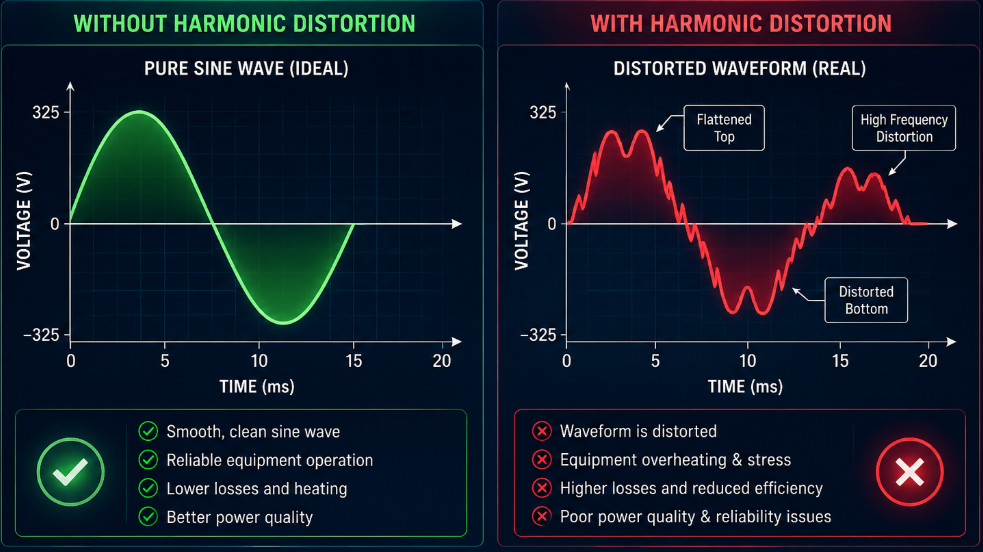
Why Are Harmonics Becoming a Growing Industrial Concern?
“The most expensive power quality issues are often the ones that go unnoticed until they start impacting performance, reliability, and profitability.”
The rapid adoption of automation and power electronic equipment is transforming industrial operations—but it is also increasing harmonic distortion within electrical networks. Often invisible in the early stages, harmonics can gradually reduce efficiency, stress critical equipment, and increase operating costs.
This growing challenge is driving industries worldwide to prioritize harmonic mitigation as part of their power quality and reliability strategy.
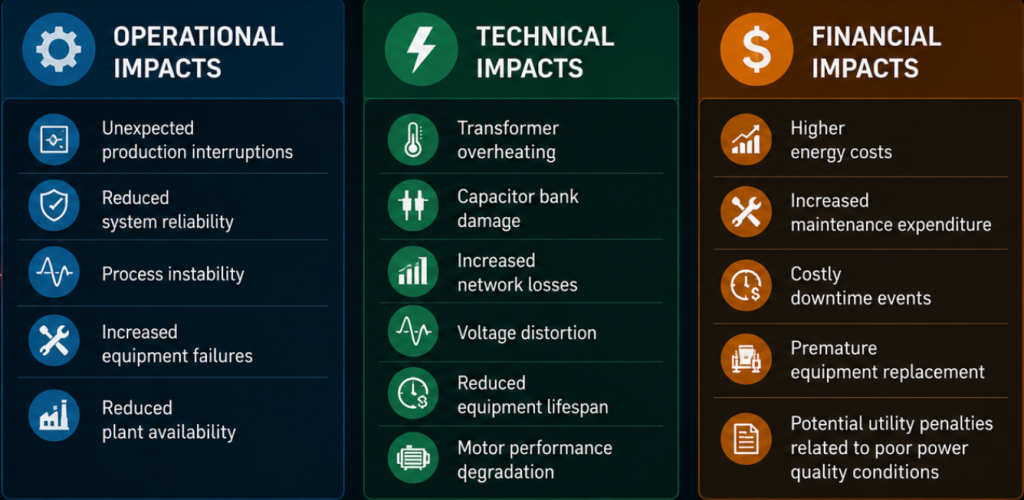
Why Ignoring Harmonics Can Become an Expensive Mistake
In closing, the significance of harmonics in power systems cannot be ignored. By prioritizing harmonic distortion mitigation, industries can foster a culture of reliability, efficiency, and sustainability. The journey towards improved power quality is ongoing, and with the right strategies in place, the future looks promising.
As we conclude, it’s clear that the journey toward optimal power quality involves a commitment to understanding and mitigating harmonic distortion. The adoption of solutions like active harmonic filters is crucial for ensuring that industries remain resilient and capable of meeting the demands of the modern world.
In summary, investing in harmonic filtering technology is not merely a reactive response but a strategic choice that can lead to substantial long-term benefits. By making this investment, companies can safeguard their operations, enhance energy efficiency, and ultimately drive profitability.
Ultimately, understanding the relationship between harmonics and operational efficiency is essential for modern industries. As technology advances, the need for effective harmonic management will only become more critical. With a proactive approach, companies can ensure they remain at the forefront of their industries, leveraging improved power quality as a competitive advantage.
As we look to the future, the evolution of power systems will continue to present new challenges. However, by prioritizing power quality and implementing advanced solutions like active harmonic filters, industries can not only overcome these challenges but also thrive in an increasingly competitive landscape.
As industries become more dependent on uninterrupted operations, even small power quality issues can translate into significant financial consequences.
The Industry Response to Growing Harmonic Challenges
As power quality challenges continue to grow, industries are increasingly investing in harmonic mitigation solutions to improve reliability and efficiency.
“The most effective power quality solution prevents problems before they impact operations.”
-
- Passive Harmonic Filters – Absorb specific harmonic frequencies.
-
- Active Harmonic Filters – Detect and eliminate harmonics in real time.
-
- Detuned Filter Reactors – Protect capacitor banks from harmonic resonance.
How InPhase Power Technologies Delivers Smarter Harmonic Mitigation
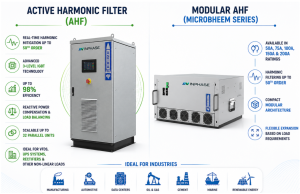
In conclusion, investing in active harmonic filter technology is essential for improving industrial energy efficiency and reducing operational costs. https://inphase.in/products The challenges posed by harmonic distortion require proactive solutions that safeguard equipment and enhance overall performance.
Why Active Harmonic Filter Benefits Matter More Than Ever
As industrial facilities continue to adopt automation, renewable energy integration, and advanced power electronics, Active Harmonic Filter Benefits become increasingly important. The most valuable Active Harmonic Filter Benefits include reduced harmonic distortion, improved power quality, lower energy losses, and enhanced equipment protection.
Organizations that invest in Active Harmonic Filter Benefits often experience greater operational reliability, reduced maintenance costs, and improved electrical system performance. These Active Harmonic Filter Benefits help facilities maintain productivity while reducing the long-term costs associated with poor power quality.