
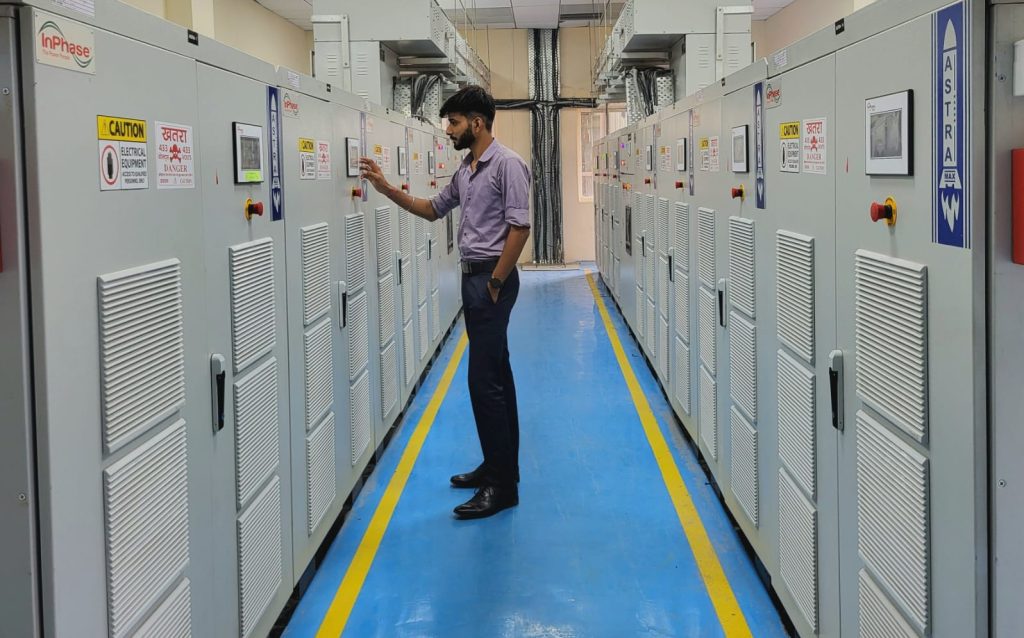
As industries continue to adopt modern power electronic equipment and automation systems, maintaining power quality has become increasingly important. While these technologies improve efficiency and productivity, they can also generate harmonics that negatively impact electrical system performance. Many facilities install harmonic filters to address these challenges, but without proper planning, accurate sizing, and correct harmonic filter installation, the desired results may not be achieved.
To fully understand the importance of harmonic filter installation, it is crucial to recognize the detrimental effects of harmonics on electrical systems. Harmonics can lead to overheating of equipment, increased energy consumption, and even premature failure of electrical components. For instance, a typical rotating machine can experience significant performance degradation due to harmonic distortion, leading to increased maintenance costs and downtime. Therefore, addressing these issues with effective harmonic filtering solutions is imperative for operational efficiency.
A filter can only perform effectively when it is properly selected, positioned, and configured according to the site’s operating conditions.
“The success of a harmonic filter begins long before it is switched on.”
Moreover, the positioning of the harmonic filter plays a vital role in its effectiveness. Filters can be installed at various points in the power system, including at the supply side, load side, or within the distribution network. Each point of installation has its own advantages and considerations, such as the ability to mitigate harmonics at specific sources or throughout the entire system. Properly assessing these factors can enhance the performance of the harmonic filter installation and ensure comprehensive coverage against harmonics.
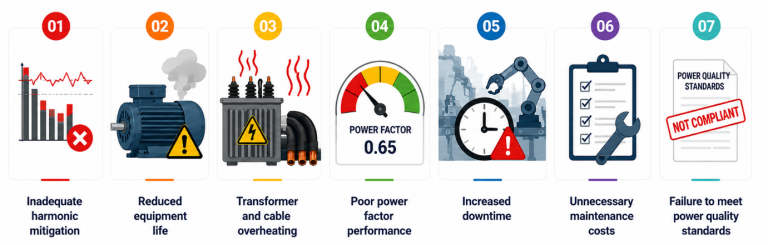
Consequences of Improper Installation
Every step in the installation process is crucial, from evaluating existing harmonic levels to selecting the right filter type. For example, conducting a thorough harmonic analysis involves collecting data on voltage and current waveforms to identify existing harmonic distortion levels. This information is essential for selecting a harmonic filter that effectively targets the specific frequencies that need mitigation. Without this data, there is a risk of underestimating or overestimating the filtering needs, which can lead to inadequate performance.
Choosing the Right Active Harmonic Filter
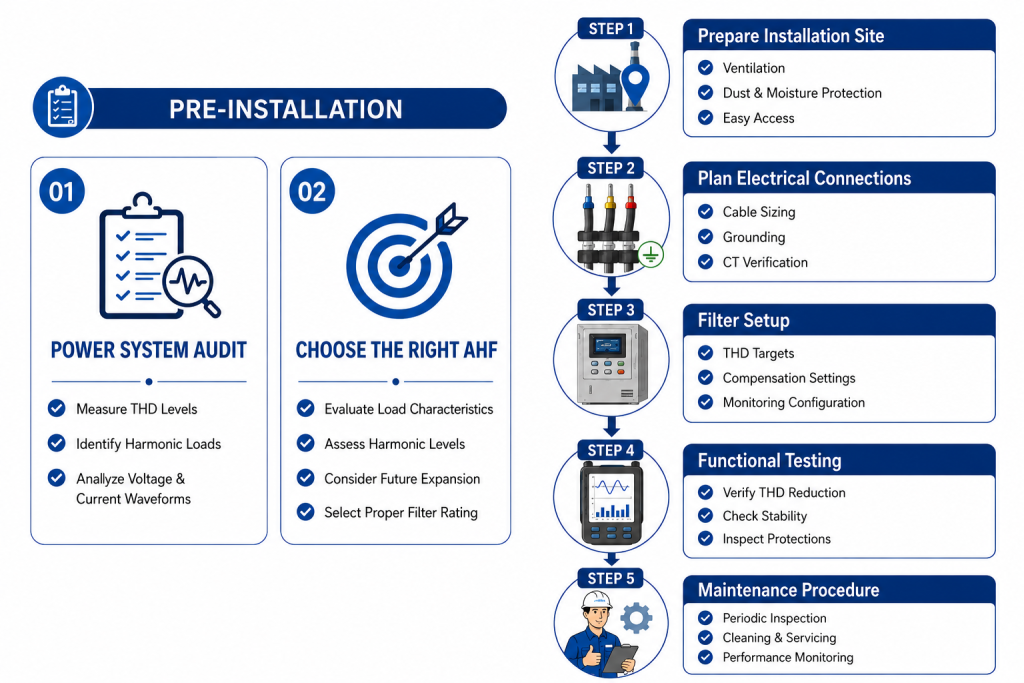
Before installing an Active Harmonic Filter (AHF), a systematic approach is essential to ensure effective harmonic mitigation and reliable long-term performance. The process begins with a detailed assessment of the existing power system, including harmonic analysis and load evaluation, followed by selecting an appropriately rated filter for the application. Once the right AHF is chosen, proper site preparation, electrical connection planning, filter configuration, and functional testing are carried out to ensure optimal operation. Regular inspection and maintenance further help sustain performance, improve power quality, and enhance the reliability of the electrical system.
“A well-planned installation lays the foundation for optimal harmonic mitigation and improved power quality.”
Additionally, the configuration of the filter is equally important. Active Harmonic Filters often come with adjustable settings to tailor their performance to the specific needs of the electrical system. For instance, setting the filter to respond to specific harmonics can optimize its effectiveness, reducing unnecessary energy expenditure and maximizing power quality improvement. A poorly configured filter can result in continued harmonic distortion and may even exacerbate issues within the electrical network.
To ensure optimal performance, selecting the right Active Harmonic Filter should not only address harmonic mitigation requirements but also support compliance with IEEE 519 harmonic standards (https://standards.ieee.org).
Why Choose InPhase Active Harmonic Filters?
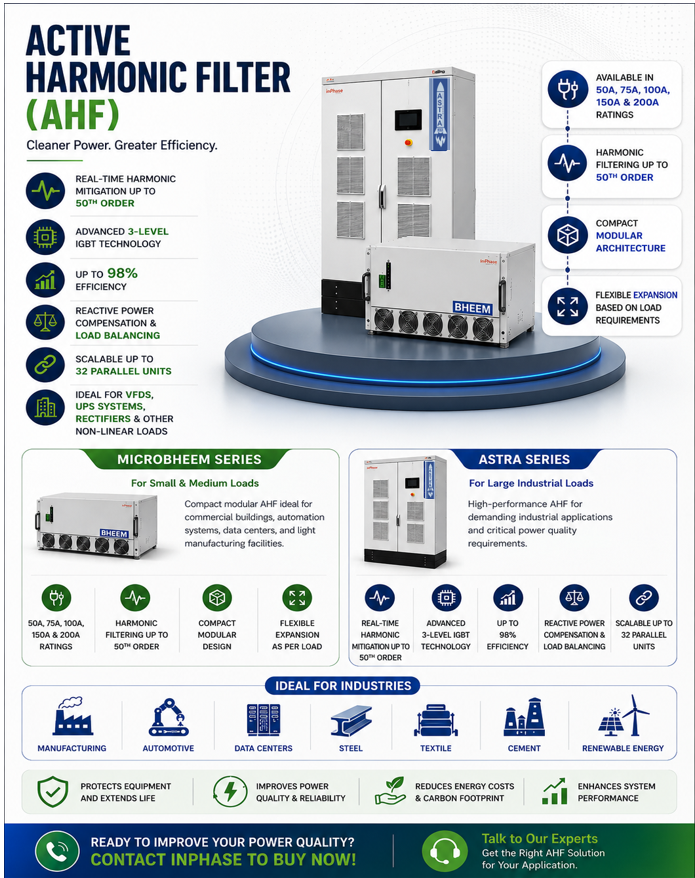
Choosing a reputable manufacturer like InPhase is essential for ensuring quality and reliability in harmonic filter installation. The Microbheem and ASTRA series each cater to different operational needs, ensuring that users can find a solution that fits their specific requirements. The Microbheem series, for instance, is designed for smaller scale applications, providing flexibility and ease of integration. Conversely, the ASTRA series is tailored for more robust industrial settings, offering advanced features for demanding environments.
A successful Active Harmonic Filter (AHF) installation depends not only on proper system assessment and installation practices but also on selecting a high-performance filter that meets the application’s requirements. InPhase Power Technologies offers two advanced AHF series designed to meet the needs of both small-scale and large industrial applications.
Microbheem AHF
Microbheem Series is a compact modular Active Harmonic Filter ideal for commercial buildings, automation systems, data centers, and light manufacturing facilities.
Key Features:
- Available in 50A, 75A, 100A, 150A & 200A ratings
- Harmonic filtering up to the 50th order
- Compact modular architecture
- Flexible expansion based on load requirements
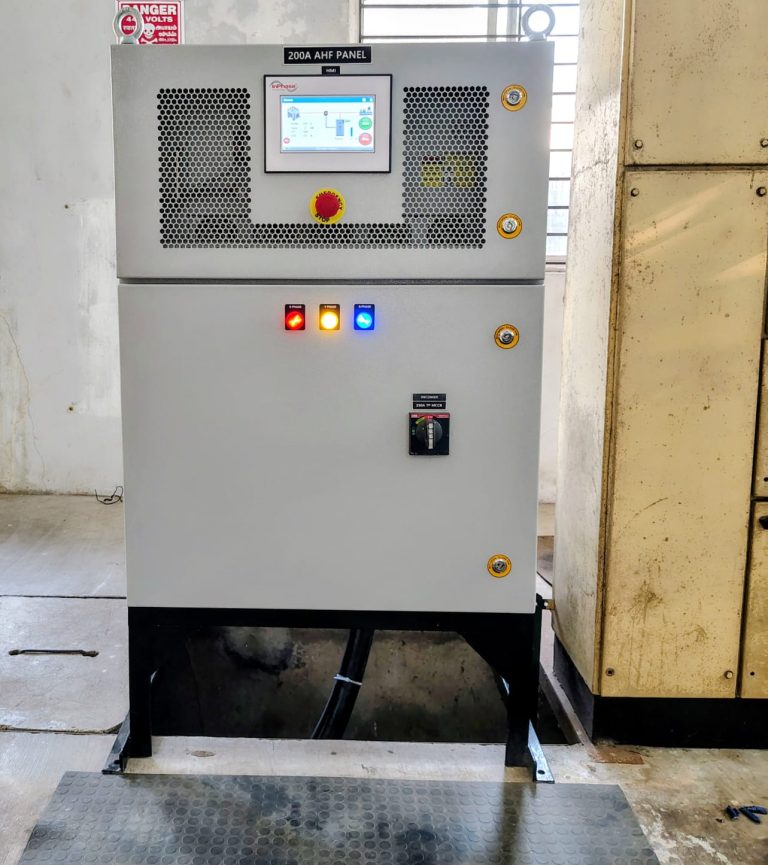
To illustrate, consider a manufacturing plant with multiple types of machinery. The variability in load and operation can lead to fluctuating harmonic levels. Installing a Microbheem AHF can provide the necessary flexibility to adapt to these changes, ensuring optimal performance without requiring extensive modifications to the existing setup. This adaptability is critical in fast-paced environments where downtime is costly.
ASTRA AHF
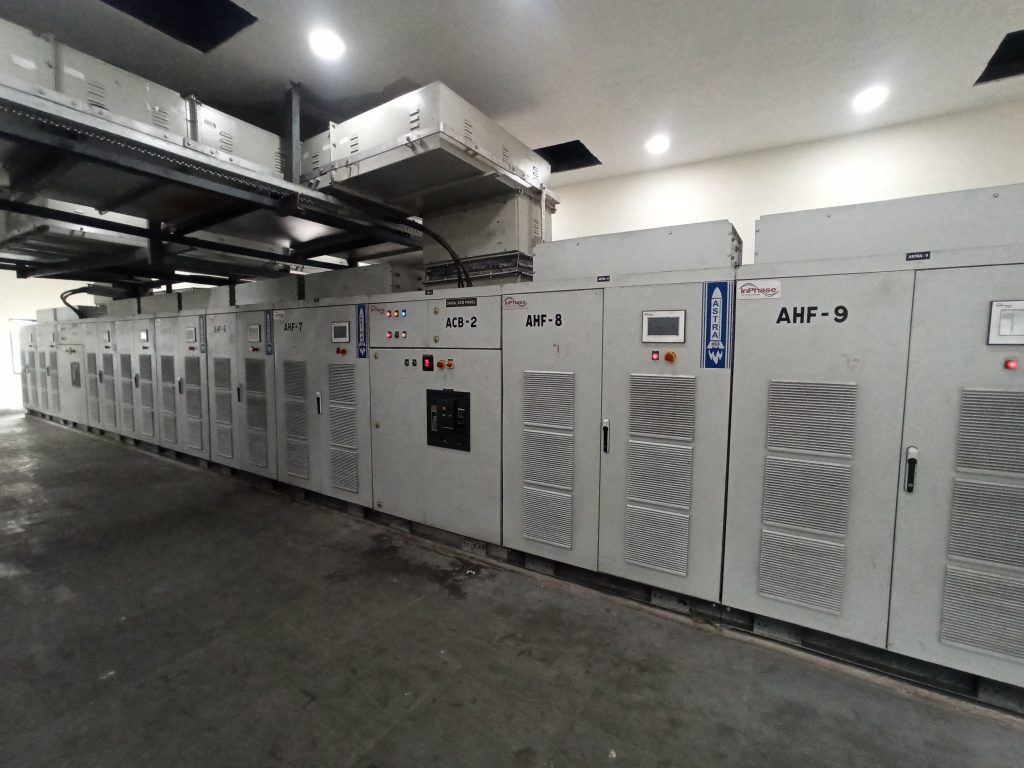
ASTRA Series is designed for heavy-duty industrial applications such as manufacturing plants, process industries, cement, oil & gas, marine, and renewable energy systems.
In contrast, for a large cement production facility, the ASTRA series may be more appropriate due to its capacity to handle high levels of distortion effectively. These systems can accommodate a wide range of operational challenges, such as power surges and irregular load patterns, which are common in heavy industries. This versatility guarantees that the harmonic filter installation remains effective even as operational demands change.
Additionally, the long-term benefits of investing in a quality harmonic filter installation should not be overlooked. Beyond immediate improvements in power quality, these filters can lead to reduced energy costs, extended equipment lifespan, and minimized maintenance requirements. Facilities that have implemented effective harmonics management often report significant reductions in their overall operational costs, highlighting the economic advantages of proper harmonic filter installation.
Furthermore, regular maintenance and monitoring of the harmonic filters are essential for sustaining the benefits over time. Scheduled inspections can help identify potential issues before they escalate, ensuring that the filters operate at peak performance. Integrating a proactive maintenance strategy not only protects the investment in the harmonic filter installation but also supports the overall health of the electrical system.
In conclusion, the successful installation of harmonic filters is a multifaceted process that demands careful planning, selection, and ongoing management. As industries continue to evolve and rely more heavily on electrical systems, the importance of effective harmonic filter installation will only become more pronounced. By partnering with experienced providers like InPhase Power Technologies, facilities can achieve enhanced power quality, operational efficiency, and long-term sustainability. for more information visit https://inphase.in .