
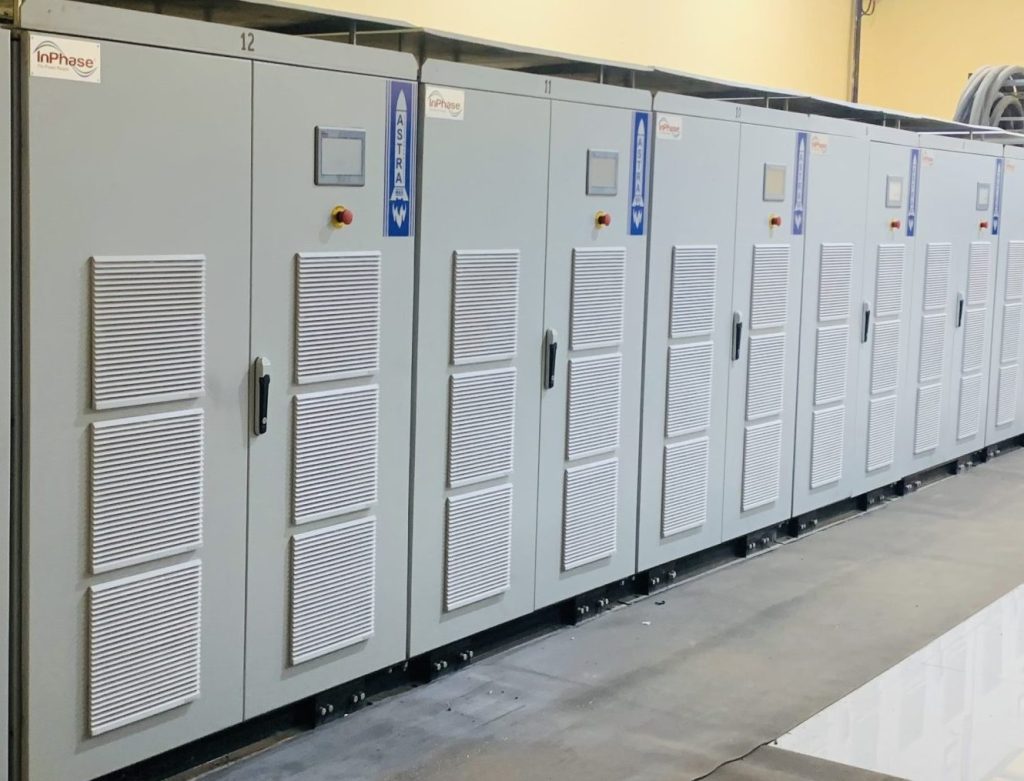
Transformer Overheating due to harmonics is one of the most common yet overlooked challenges in industrial electrical systems. Transformers are among the most critical components in any electrical distribution network and are designed to operate reliably for years. However, many facilities continue to experience recurring overheating issues that can impact performance, efficiency, and equipment life.
When a transformer consistently runs hot, the first assumptions are often overloading, poor ventilation, or high ambient temperatures. While these factors can certainly contribute, there is another hidden issue that is frequently overlooked: harmonic distortion.
Understanding the Hidden Cause
As industries continue to adopt modern power electronic equipment and automation systems efficiency and productivity is improved, but they also introduce harmonics into the electrical network. Harmonics are unwanted electrical frequencies that distort the normal sinusoidal waveform of power. Although they are invisible to the naked eye, their impact on electrical equipment can be significant.
When harmonics flow through a transformer, they create additional losses that generate excess heat. As a result, the transformer may operate at temperatures much higher than expected even when it is not overloaded.
If your facility experiences any of the following issues, harmonics could be a contributing factor:
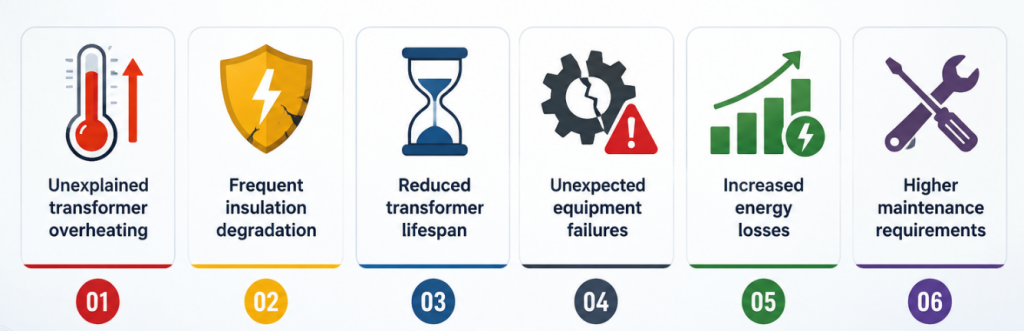
Ignoring these warning signs can lead to costly repairs, downtime, and premature equipment replacement.
Why Overheating Is a Serious Concern?
Transformer overheating due to harmonics is more than just a temperature issue – it is a warning sign that can affect the reliability and performance of an entire electrical system. Every transformer is designed to operate within a specific temperature range, and transformer overheating due to harmonics occurs when harmonic currents generate excess heat, pushing the equipment beyond its intended operating conditions.
One of the biggest risks associated with transformer overheating due to harmonics is the accelerated aging of insulation materials. These insulation systems play a critical role in ensuring safe and efficient operation. When exposed to excessive heat resulting from transformer overheating due to harmonics for extended periods, insulation deteriorates faster, increasing the likelihood of equipment failure.
Even a moderate rise in temperature caused by transformer overheating due to harmonics can significantly reduce transformer life expectancy. As operating temperatures continue to increase, electrical losses rise, efficiency declines, and maintenance requirements become more frequent because of transformer overheating due to harmonics.
Persistent transformer overheating due to harmonics can also impact overall system reliability. Unexpected shutdowns, reduced transformer capacity, and recurring maintenance issues often result from prolonged thermal stress caused by transformer overheating due to harmonics on transformer components.
For industries that depend on continuous production, transformer overheating due to harmonics can lead to costly downtime, production interruptions, and unplanned repair expenses. In severe cases, transformer overheating due to harmonics may result in transformer failures that require expensive equipment replacement and extended outages.
Addressing the root causes of transformer overheating due to harmonics is essential for improving power quality, extending equipment lifespan, and maintaining reliable plant operations. By identifying and eliminating factors such as harmonic distortion, facilities can prevent transformer overheating due to harmonics and ensure long-term system performance. Proactively mitigating transformer overheating due to harmonics also helps improve energy efficiency, reduce maintenance costs, and enhance the overall reliability of electrical infrastructure.
The Solution: Active Harmonic Filters
Rather than treating the symptoms, it is important to address the root cause of harmonic distortion.
Active Harmonic Filters (AHFs) continuously monitor the electrical system and identify unwanted harmonic currents. They then inject equal and opposite currents to cancel the harmonics before they can affect critical equipment.
The result is:
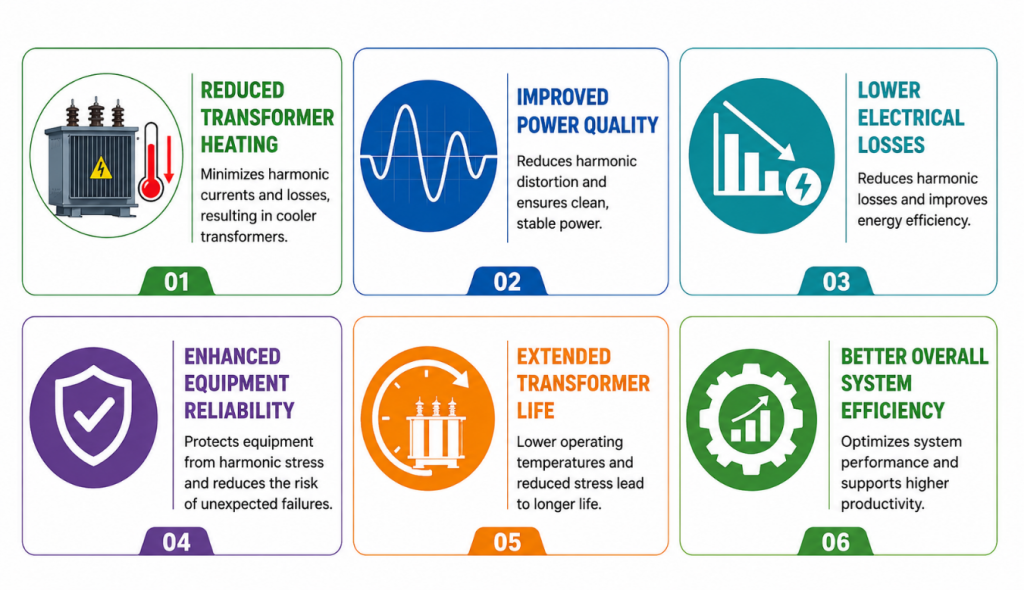
Unlike conventional harmonic mitigation solutions, Active Harmonic Filters (AHFs) continuously monitor the electrical network and dynamically respond to changing load conditions, ensuring effective harmonic compensation and reliable power quality even in complex industrial environments.Industries often follow the IEEE 519 standard to control harmonic distortion and maintain better power quality. Learn more about the standard from the IEEE Standards Association: IEEE STANDARDS .
Why Choose InPhase Active Harmonic Filters?
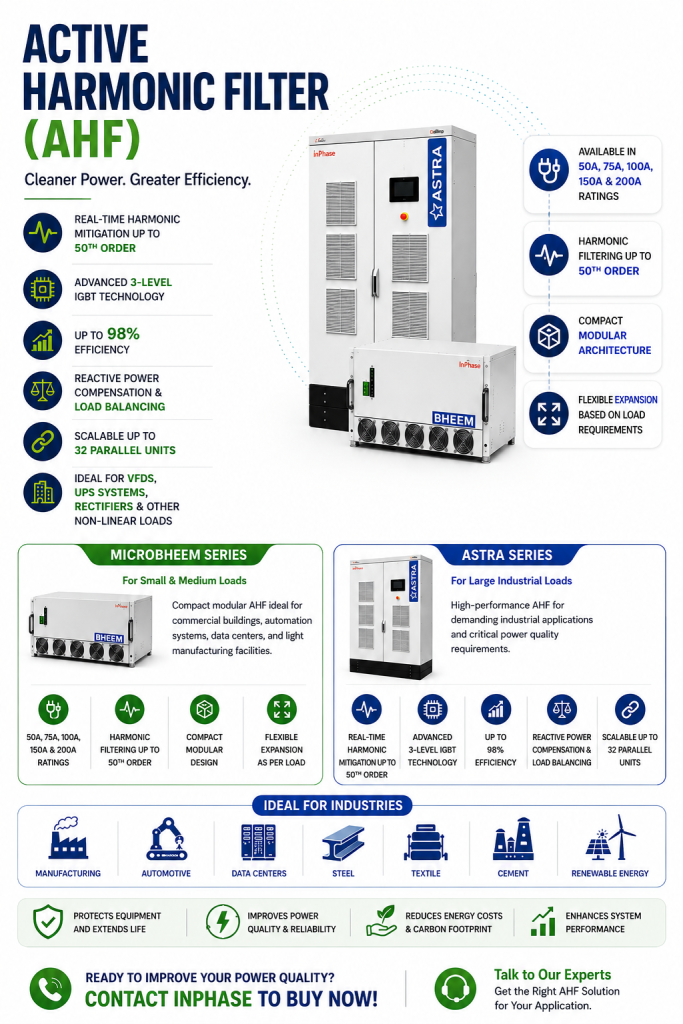
InPhase offers a complete range of Active Harmonic Filter solutions tailored to diverse power quality requirements. The MicroBheem Series is a compact, modular, and scalable solution ideal for small industries like commercial buildings, data centers, hospitals, textile units, renewable energy systems, and light manufacturing industries. For high-power applications, the ASTRA Series is engineered to deliver superior harmonic mitigation and reactive power compensation in manufacturing plants, automotive facilities, cement industries, steel plants, oil & gas operations, marine applications, and other heavy industrial sectors.
From small-scale facilities to large industrial operations, InPhase provides the right solution for cleaner, more efficient, and reliable power.
Learn more about our Active Harmonic Filter solutions at InPhase Power Technologies.